
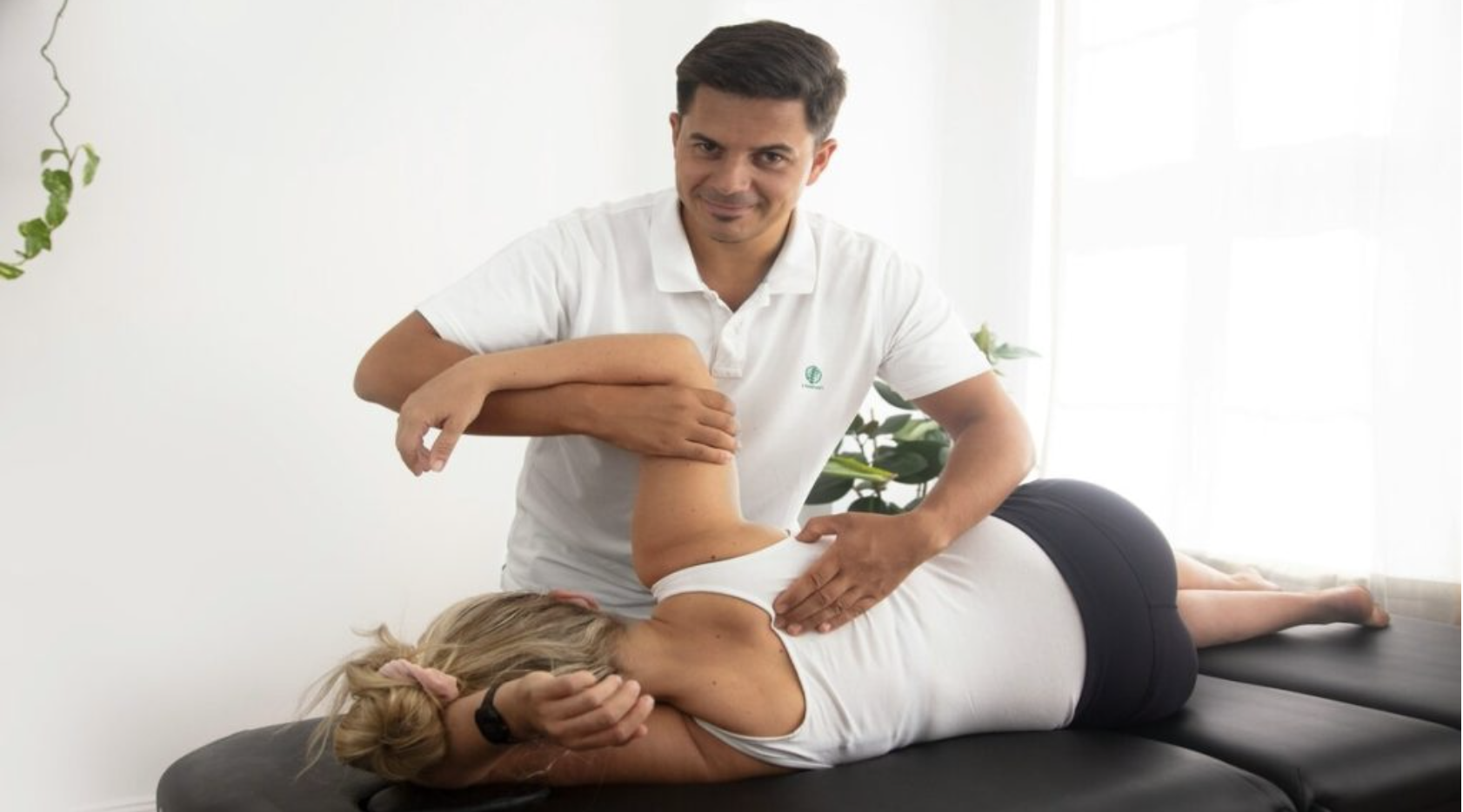
Shoulder Pain When Training: When Should You See a Physio?
Shoulder pain when training can be frustrating, especially when it appears during bench press, overhead work, pull-ups or movements you normally enjoy. It does not always mean serious damage and the body is more resilient than we sometimes give it credit for but pain that persists, worsens or changes how you move deserves attention.
Key Takeaways
- Shoulder pain during exercise may relate to training load, tendon irritation, muscle strain or an acute injury.
- Rest might not be helpful, but repeatedly forcing painful movements is rarely helpful.
- Persistent pain, weakness or restricted range of motion are good reasons to arrange an assessment.
- Sudden severe pain, deformity, major swelling, numbness or an inability to move the arm needs urgent medical advice.

Why Does Your Shoulder Hurt During Training?
The shoulder joint moves through a wide range, with muscles, tendons and joints working together to control the arm. The pain you are feeling cannot be diagnosed from its location alone.
Shoulder pain when lifting weights may be influenced by the exercise, recent changes in workload, your current strength and capacity, or an injury during a particular repetition. We also know that pain is not only influenced by the tissues and structures of the shoulder, sleep quality, stress and previous experiences of pain all play their part, to name just a few.
Changes In Training Load
A sudden increase in weight, sets, weekly sessions or pressing volume can expose the shoulder to more demand than it is ready for. The same can happen when returning after a break or adding unfamiliar exercises.
Rotator Cuff And Tendon Irritation
The rotator cuff is a group of muscles and tendons that helps control and support the shoulder. Rotator cuff pain often becomes noticeable when lifting the arm, pressing or performing repeated overhead movements.
Terms such as rotator cuff injury, tendon irritation, bursitis and shoulder impingement are sometimes used for similar symptom patterns. However, the cause cannot be confirmed without an assessment. The British Elbow and Shoulder Society explains that this type of shoulder pain commonly responds to exercise-based management.
Muscle Strain Or Acute Injury
A shoulder injury from training may begin during a sudden pull, uncontrolled lift, fall or forceful repetition. Sharp pain, immediate weakness, swelling or a sudden loss of movement should be treated differently from a gradual ache.
Live Strong’s guide to understanding pain during rehabilitation explains why pain does not always equal tissue damage.
Muscle Soreness Or A Shoulder Injury?
Post-training soreness is usually general and muscular. It often appears after a harder or unfamiliar session and gradually settles. It should not normally cause sudden weakness, significant swelling or an inability to raise your arm.4
Signs your shoulder may need more attention include:
- Pain during every pressing or overhead session
- Pain that is becoming sharper or more intense
- Night pain that affects sleep
- Restricted range of motion
- Noticeable weakness
- Pain during dressing, reaching or everyday lifting
- Symptoms that return whenever training resumes
When Should You See A Physio For Shoulder Pain?
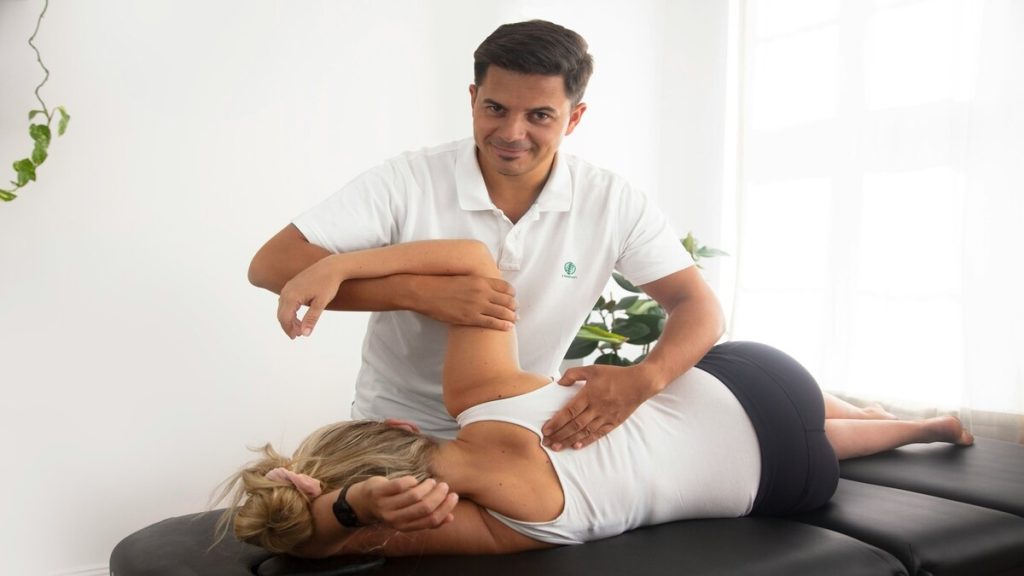
A Physiotherapy assessment can help when pain is not settling, keeps returning or affects your confidence under load.
The NHS shoulder pain guidance advises seeking medical help if symptoms are getting worse, have not started improving after around two weeks, or make moving the arm very difficult. This is general guidance rather than a deadline. Earlier assessment may be appropriate when symptoms follow an injury or limit work, sport or daily life.
A one-to-one physiotherapy appointment at Live Strong can help identify what is aggravating your shoulder and shape a realistic return-to-training plan.
Seek Urgent Medical Advice When Needed
Contact NHS 111 or seek urgent medical help if you have sudden or very severe pain, cannot move your arm, notice a visible change in shape, have major swelling, persistent pins and needles, loss of sensation, unusual heat or cold in the arm, fever, or symptoms following an accident.
Chest pain, breathing difficulty or pain spreading towards the jaw also requires urgent medical assessment rather than a routine physiotherapy booking.
Can You Keep Training With Shoulder Pain?
Sometimes training can continue with sensible changes. The aim is to find a level of activity that does not cause symptoms to escalate and allow you to address any issues.
Initial changes might include reducing the weight, sets or frequency, shortening the range, adjusting the grip, or replacing one painful exercise with a comfortable alternative.
Complete rest is not automatically required for many non-urgent shoulder problems. I will regularly try to keep clients active and The NHS also recommends staying active and gently moving the shoulder while avoiding activities that clearly make symptoms worse. The Chartered Society of Physiotherapy recommends assessment when symptoms are not improving with activity changes and appropriate exercises.
The right rehabilitation exercises depend on your symptoms, current ability and training goals.
What Happens During A Shoulder Physiotherapy Assessment?
Understanding Your Training And Symptoms
An assessment should cover when the pain started, recent changes in training, previous injuries, provoking movements and what you want to return to.
Live Strong’s physiotherapy FAQs explain that an initial appointment can include injury history, movement analysis, strength testing, goal setting and a personalised rehabilitation plan.
Assessing Movement And Strength
The assessment may look at shoulder mobility, rotator cuff strength, pressing or overhead patterns, and how the neck, upper back or surrounding joints contribute. The aim is to understand what currently limits you and what needs to improve.
Building A Rehabilitation Plan
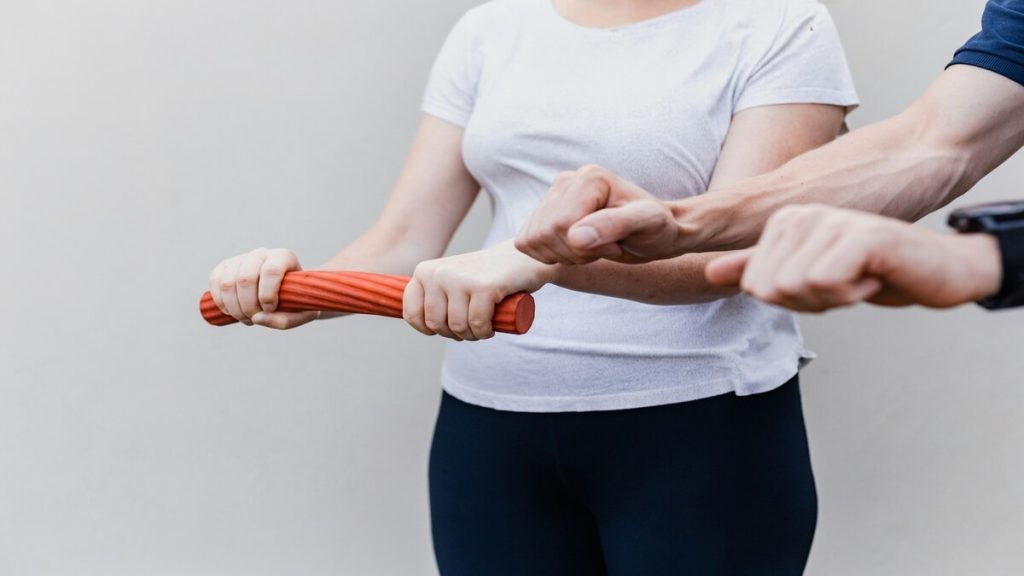
Shoulder pain physiotherapy may include load management, mobility work, progressive strengthening exercises and a gradual return to important movements. Your plan should progress as strength, confidence and tolerance improve.
Returning To Training With Confidence
Progressive strength work can support shoulder capacity when it reflects your sport and current symptoms. Live Strong’s article on the benefits of strength training explains why steady progression and consistency matter.
If shoulder pain is repeatedly interrupting your training, consider arranging an assessment rather than continuing to guess. Live Strong Physiotherapy supports active people in Cornwall with assessment, injury rehabilitation and strength-based return-to-activity planning.
Frequently Asked Questions
When Should I See A Physio For Shoulder Pain From Training?
See a physio when pain persists, worsens, returns during training, or comes with weakness or restricted movement. Seek urgent help for severe symptoms, numbness, deformity or an inability to move the arm.
Why Does My Shoulder Hurt When Lifting Weights?
Possible contributors include a sudden increase in training load, tendon irritation, muscle strain, reduced shoulder capacity or an acute injury. The painful exercise alone cannot confirm the cause, so ongoing symptoms should be assessed properly.
Can I Keep Training With Shoulder Pain Or Should I Rest?
You may be able to continue with modified exercises, lighter loads or reduced volume. Avoid forcing painful movements. Complete rest is not always necessary, but severe symptoms need medical advice.
Which Gym Exercises Can Aggravate Shoulder Pain?
Always a difficult question as it can depend on your own presentation but as a rule if it give you pain then its potentially aggravating your issues. The great thing is how resilient your body can be and adaptation to issues in the gym can be facilitated by a Physiotherapy and guide you back to regular activity
How Long Can Shoulder Pain From Training Take To Improve?
Recovery varies according to the cause, symptom duration, training demands and rehabilitation. The British Elbow and Shoulder Society’s exercise guidance notes that some exercise-managed shoulder problems may improve over six to twelve weeks, but this is not a guaranteed timeframe for every injury.