
ACL Rehab in Cornwall: What to Expect After Reconstruction Surgery
ACL reconstruction surgery is one part of getting back to the activities after injury and back to the activity you enjoy. What happens afterwards matters just as much.
A structured ACL rehab programme can both prepare you for surgery and post surgery. It helps you progressively restore knee movement, rebuild strength and confidence, and prepare your body for increasingly demanding activity. If you are looking for ACL rehab Cornwall, understanding the different stages can make the recovery process feel far more manageable.
Key Takeaways
- ACL reconstruction rehab should be individual rather than based on a rigid timeline.
- Early rehabilitation commonly focuses on swelling, knee movement, muscle activation and walking.
- Strength, balance and movement control become increasingly important as recovery progresses.
- Returning to running and sport should consider physical milestones as well as time since surgery.
- Your rehabilitation should reflect your operation, current ability and the activities you want to return to.
Before your ACL Surgery what should you consider?
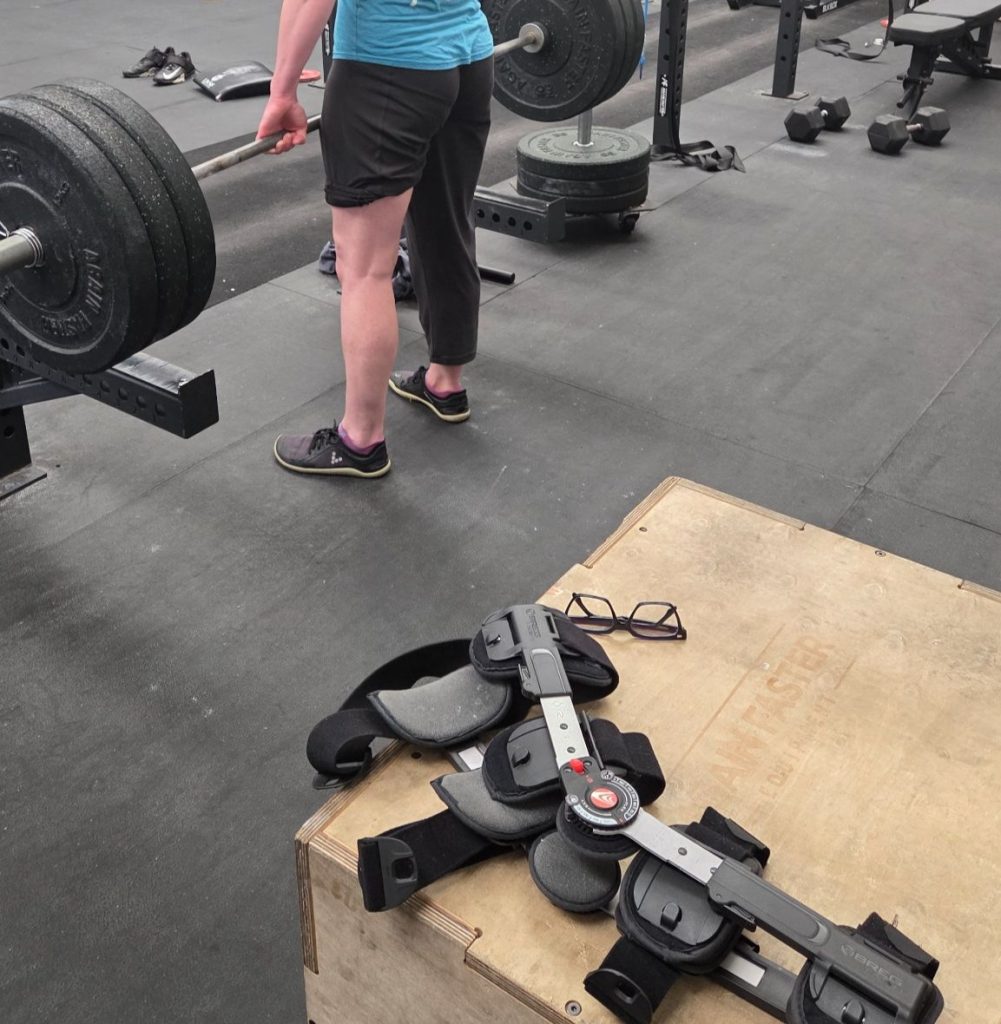
Before your surgery, the latest evidence supports the need for prehab training. Before your surgery many of my clients will be focused on building strength, balance and full range of movement back into the knee and building a strong foundation from which to build post surgery.
The Melbourne ACL Protocol highlights the need for injury recovery and surgery readiness. It highlights key fundamentals around eliminating swelling, regaining full active range of motion and building to 90% quad and hamstring strength compared to the unaffected leg before surgery.
What Happens During ACL Rehab After Reconstruction Surgery?
The anterior cruciate ligament, or ACL, is one of the major ligaments that contributes to stability at the knee.
After reconstruction surgery, physiotherapy helps you work from the early stages of recovery towards normal daily movement, progressive strengthening and, where appropriate, running and sport.
There is no single programme that suits everyone. Factors such as the surgical procedure, graft used, other injuries or procedures, swelling, strength and your personal goals can all affect how your rehabilitation progresses.
At Live Strong, physiotherapy in Cornwall includes support following ACL reconstruction and other knee surgery, with rehabilitation shaped around your current movement, strength and goals.
Why ACL Rehabilitation Is Individual
An ACL recovery timeline should be treated as a guide rather than a deadline.
For example, someone returning to recreational running will eventually face different physical demands from someone returning to football, rugby or another sport involving jumping and rapid changes of direction.
Additional procedures can also alter your rehabilitation. Your surgeon and physiotherapist should therefore guide what is appropriate at each stage.
The Aspetar clinical practice guideline for ACL reconstruction rehabilitation supports an individual, criteria-based approach to progression rather than relying on time alone.
The Early Stages of ACL Surgery Recovery
The first stages of knee rehab after ACL surgery are usually about establishing a good foundation rather than rushing towards advanced exercise.
Managing Swelling and Restoring Knee Movement
Early priorities may include managing swelling, improving knee mobility and gradually restoring range of motion according to your surgical team's advice.
Royal Cornwall Hospitals NHS Trust identifies reducing swelling, maintaining knee movement and restoring quadriceps function as important parts of ACL rehabilitation.
Your exact restrictions can vary, particularly if another procedure was performed alongside the ACL reconstruction.
Quadriceps Activation and Walking Normally Again
The quadriceps can lose strength and activation after knee injury and surgery. Early rehabilitation commonly includes exercises designed to regain control of these muscles while progressively improving walking.
Gait training may also form part of this stage, particularly if you have been using crutches or have changed the way you walk because of pain, swelling or reduced confidence.
The goal is not simply to complete exercises. It is to rebuild the basic movement and control required for later rehabilitation.
For people attending locally, Live Strong also provides physiotherapy in St Agnes, including ACL rehabilitation before and after an operation.
A Typical ACL Recovery Timeline: What Changes as You Progress?
Recovery is rarely a straight line. Some milestones may come quickly, while others need more time.
The NHS advises that recovery from ACL surgery can take several months or longer, with return to sport potentially taking up to a year. I have worked with athletes where the demands of their sports mean recovery has been 18months to 2years.
It’s important to remember that ACL rehab is not dictated by time and instead by the milestones you reach in your rehab journey, your progress should be judged alongside how your knee is responding and by close monitoring and testing such as The VALD technology that we use at Live Strong Physiotherapy
Building Knee Strength and Stability
As your range of motion, swelling and movement improve, rehabilitation usually becomes more focused on progressive loading.
Exercises may increasingly target:
- Quadriceps strength
- Hamstring strength
- Hip and calf strength
- Single-leg control
- Knee stability
- Overall lower-limb capacity
Progressive strength training can form an important part of building the physical capacity needed for daily activity and sport.
Balance and Movement Control
ACL injury rehabilitation is not only about making muscles stronger.
Balance exercises, single-leg movements and more challenging movement tasks can be introduced as appropriate. Over time, these help prepare you for the less predictable demands of running, jumping and sport.
When Can You Start Running After ACL Surgery?
Returning to running is an important milestone, but reaching a certain number of weeks after surgery does not automatically mean your knee is ready.
Clinical guidance increasingly considers a combination of time, knee movement, swelling, strength and functional ability. The Cambridge University Hospitals ACL rehabilitation guidance reinforces my earlier point that progression is criteria based rather than strictly time based.
We may assess factors such as how your knee responds to loading, your single-leg control, quadriceps strength and whether you can complete appropriate preparatory exercises comfortably.
Running can then be reintroduced progressively rather than jumping straight back into previous training volumes.
Return to Sport After ACL Surgery
Getting back to sport is often one of the later stages of physiotherapy after ACL reconstruction.
The demands become more specific as rehabilitation progresses. Depending on your sport, this may involve faster running, acceleration and deceleration, jumping, hopping, agility or change-of-direction work.
Sport-Specific ACL Rehabilitation
Sport-specific rehab aims to bridge the gap between general strengthening and the movements you actually need to perform.
A footballer may eventually need to tolerate cutting, sprinting and kicking under fatigue. A runner may require progressive exposure to running volume and speed. Other athletes will have different movement demands.
These progressions should be introduced when appropriate rather than simply because a certain date has arrived.
Strength and Movement Testing Before Returning to Sport
Objective testing can provide useful information alongside clinical assessment.
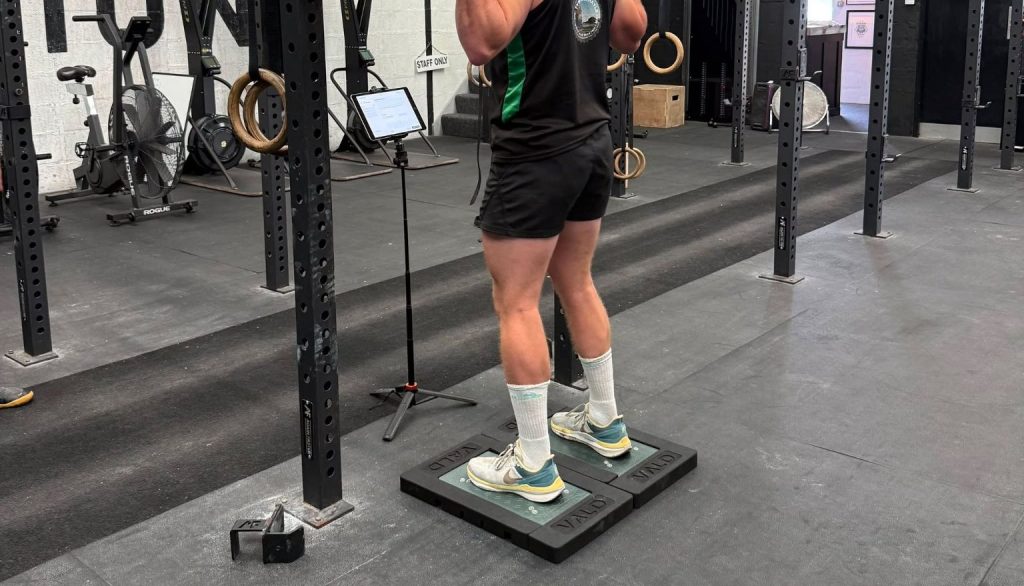
Live Strong uses VALD ForceDeck testing to assess areas including strength, power, balance and differences between limbs. This information can help guide rehabilitation, monitor progress and inform return-to-sport planning.
Testing does not replace clinical judgement or guarantee that an injury will not happen again. It provides additional information that can help make rehabilitation decisions more informed.
What Does ACL Physiotherapy in Cornwall Look Like at Live Strong?
Live Strong provides one-to-one ACL physiotherapy from its clinic in St Agnes, Cornwall.
Rehabilitation can progress from restoring movement and confidence through to strength and conditioning, objective testing and return-to-sport preparation where appropriate. Your plan is based around your current ability, the procedure you have undergone and what you ultimately want to get back to.
That might mean returning comfortably to everyday activity, rebuilding confidence in the gym, getting back to running or preparing for the physical demands of competitive sport.
Planning Your ACL Rehabilitation Around Your Goals
ACL recovery can be a long process, but each stage should have a purpose.
At Live Strong we discuss your aims and work together to form an achievable plan that works for you and the demands around you. We establish milestones within the plan that work for you and discuss what treatment and Physiotherapy contact time could look like to make it affordable and achievable for you.
The focus changes as your knee changes. Early priorities such as swelling management, range of motion and quad activation gradually make way for heavier strengthening, balance work, progressive loading, running and sport-specific rehabilitation.
If you are recovering from ACL reconstruction and want a clearer plan for your ACL rehab Cornwall, Live Strong can assess where you are now and help shape your rehabilitation around the activities you want to return to.
Frequently Asked Questions
What Should I Expect During ACL Rehab After Reconstruction Surgery?
ACL reconstruction rehab usually progresses from restoring knee movement, managing swelling and rebuilding muscle activation towards strengthening, balance work and more demanding functional exercise. Later stages may include running and sport-specific rehabilitation. The exact progression should reflect your operation and individual recovery.
How Long Does ACL Recovery Take Before Returning To Sport?
There is no universal return-to-sport date. The NHS states that it can take up to a year to return to sport after ACL surgery, while rehabilitation guidance recommends considering physical and functional criteria alongside time. Your individual progress and sporting demands will influence the decision.
When Should I Start Physiotherapy After ACL Surgery?
Rehabilitation begins before surgery and as soon as you can possibly be seen by a Physiotherapist. If a Physio suspects ligament trauma then a review with the orthopaedic team and MRI to confirm diagnosis. All the way through this early phase Physiotherapy can help to reduce swelling, regain movement and limit setbacks.
What Milestones Should I Meet Before Running After ACL Reconstruction?
The decision should be individual rather than based on time since surgery alone. We use a series of specific testing protocols to ensure strength has returned to support running but also we look at movement quality and you as a person.
How Is Return To Sport Testing Used During ACL Rehabilitation?
Return-to-sport testing can help assess strength, movement, balance and functional performance before sporting demands are increased. Results should be considered alongside your symptoms, confidence, rehabilitation progress and the specific demands of your sport. For many returning to sport the objective measures are one aspect of this return, you also need time and graded exposure to build your confidence before returning to sport.